
Starting a strength training journey can change your life. It brings many physical and mental benefits. If you’re new to weightlifting, knowing the basics is key to a good start.
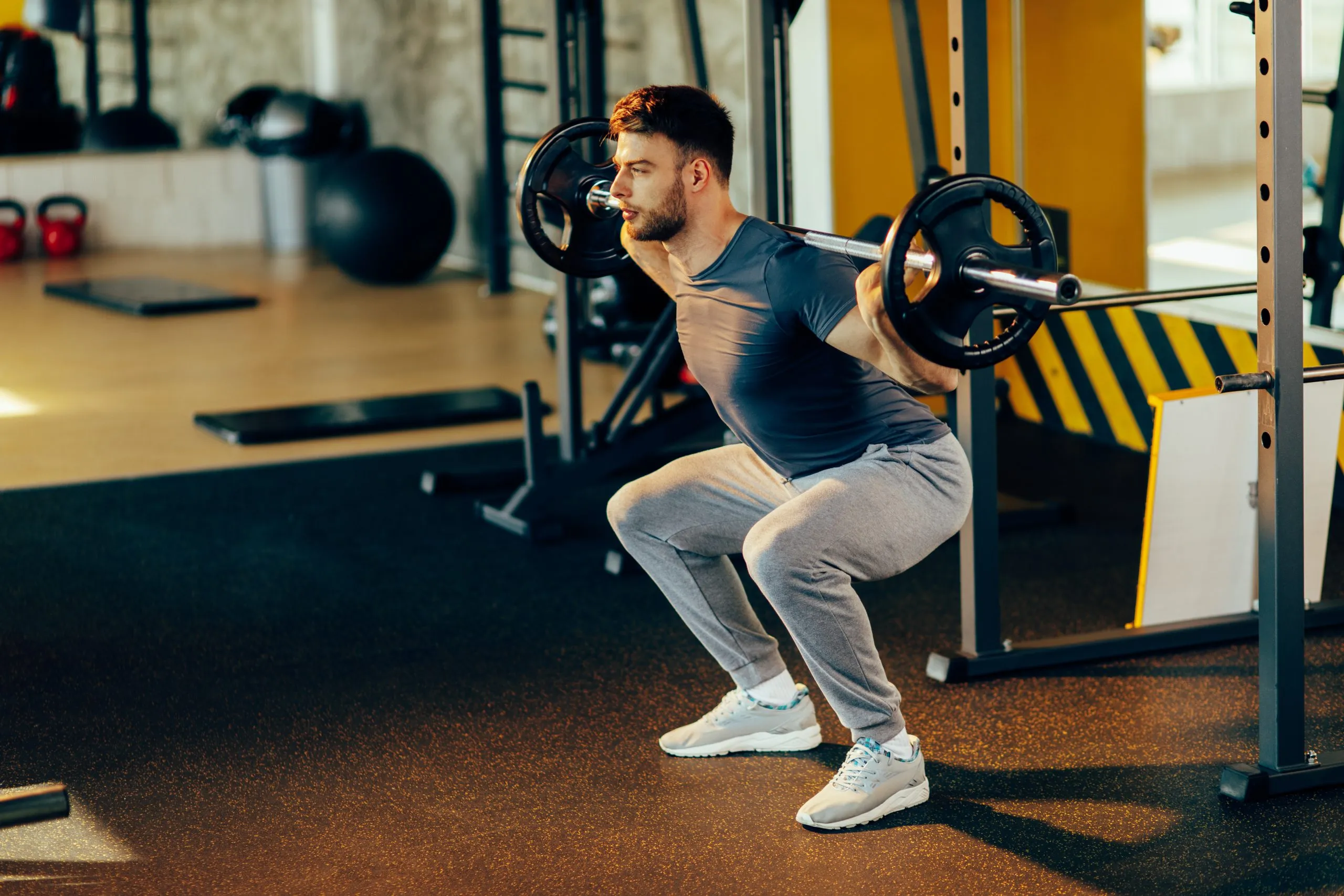
Adding weightlifting for beginners to your routine can improve your health. It also increases muscle and boosts your metabolism. Remember, proper form and technique are vital to avoid injuries and build a strong base.
When you start with beginner weight training, begin slowly. Stay consistent and gradually get more intense. This way, you’ll build a solid foundation and reach your fitness goals.
The Science Behind Beginner Weight Training
Starting weight training brings big changes, both physically and mentally. Newcomers see their bodies and minds change in amazing ways. They get stronger and feel better, both inside and out.
Physical Transformations for Newcomers
Weight training changes newcomers in big ways. They build muscle, strengthen bones, and get stronger. These changes make them look and feel better, and they’re good for their health too.
- Increased muscle mass through hypertrophy
- Enhanced bone density
- Improved metabolic health
Psychological Benefits of Strength Training
Weight training does more than just make you strong. It also boosts your mood and mind. It helps fight anxiety and depression, making you feel happier and more focused.
“Exercise is a celebration of what your body can do, not a punishment for what you ate.” – Unknown
This way of thinking is key for beginners. It helps them enjoy exercise and feel good about their bodies.
Essential Equipment for Your Strength Journey
The right equipment is key for a successful strength training program. This is true whether you’re working out at home or in a gym. For beginners, having the right gear is important for safety and getting the most out of your workouts.
Building a Cost-Effective Home Gym
Setting up a home gym can be both affordable and easy. You’ll need a set of dumbbells, a resistance band, and a stability ball. These items can give you a full-body workout without needing a lot of space or spending a lot of money.
When setting up your home gym, think about the quality of your equipment. While it might cost more at first, good-quality gear lasts longer. This means you won’t have to replace it as often, saving you money in the long run.
Navigating Commercial Gym Equipment
Commercial gyms have lots of equipment, from free weights to machines for specific exercises. It’s important for newbies to learn about the different types of equipment. They should also know how to use them right.
Start with machines that focus on certain muscle groups, like leg press or chest press machines. Once you get more comfortable, you can add free weights to your routine.
Preparing Your Body for Weight Training Success
Starting a beginner weight training journey needs careful preparation. This ensures a successful and injury-free experience. Proper preparation boosts performance and lowers injury risk, making it key for beginners.
Medical Considerations and Health Assessments
Before starting any new exercise, think about your medical history and current health. A health check can spot risks or conditions that might affect your weight training. You might need to talk to a doctor, especially if you have health issues.
Health conditions like high blood pressure or heart disease need special care when starting weight training. Knowing about these can help you adjust your training to fit your needs. This makes your training safer and more effective.
Mobility Work and Dynamic Warm-ups
Mobility work and dynamic warm-ups are also crucial. They improve flexibility and get your muscles ready for exercise. This reduces injury risk and boosts performance.
A good warm-up includes light cardio, dynamic stretches, and mobility exercises. These are tailored to the movements you’ll do in your weight training. It prepares your muscles and gets you mentally ready for the workout. This sets you up for a successful session.
Fundamental Weight Training Principles for Beginners
Starting your weight training journey? It’s key to know the basic principles. These principles are the base for building strength and fitness. Learning them will help you in the world of weightlifting and reach your goals.
Progressive Overload: The Key to Growth
Progressive overload means slowly increasing the weight you lift. It’s vital for growing muscles and getting stronger. By lifting heavier weights, you push your muscles to grow and get stronger.
Recovery Science for Muscle Development
Recovery is a big part of weight training that’s often missed. Lifting weights causes tiny muscle tears. These need time to heal and grow back stronger. Good recovery is key for muscle growth.
Optimal Training Frequency Guidelines
Training frequency is how often you work out each muscle group or your whole body. Finding the right frequency is important for recovery and progress. Beginners should start with a full-body routine 2-3 times a week. This allows for enough recovery while still growing muscles.
By knowing and using these basic principles – progressive overload, recovery, and the right training frequency – you’re set for a great weight training journey. These ideas will guide your workout routine and help you reach your fitness goals.
Mastering Proper Form and Technique
Proper technique is key for effective weight training for novices. As beginners start their strength journey, it’s vital to understand and use correct form. Form and technique are the cornerstones of a successful beginner workout routine. They help target the right muscles and avoid injury.
Red Flags: Form Mistakes That Cause Injury
Common form mistakes can lead to injuries. These mistakes include arching the back during deadlifts, letting the knees extend past the toes during squats, and using momentum to lift weights. These errors reduce exercise effectiveness and stress vulnerable areas.
Fitness expert notes, “Poor form is a recipe for disaster. It’s essential to prioritize technique over the weight being lifted.”
“You don’t have to be great to start, but you have to start to be great.” – Zig Ziglar, renowned motivational speaker.
Self-Assessment Techniques for Safe Lifting
To ensure safe lifting, beginners can use several self-assessment techniques. First, using mirrors or recording oneself helps spot form errors. Also, working with a personal trainer or experienced lifter offers valuable feedback. It’s important to listen to your body; if you feel pain or discomfort, stop and reassess your form.
By focusing on proper form and technique, individuals can build a strong foundation for their strength journey. This reduces injury risk and boosts overall progress.
Essential Beginner Weight Training Exercises
Starting weight lifting can be both exciting and scary. But, knowing the right exercises makes a big difference. As a beginner, focus on exercises that work many muscles at once. This helps build a strong base for your strength training.
Upper Body Foundation Movements
The upper body includes the chest, shoulders, back, and arms. Exercises that target these areas are key for any weight lifting routine.
Chest and Shoulder Development
The bench press and shoulder press are vital for chest and shoulder strength. These exercises boost overall upper body power and are perfect for beginners.
Back Strength and Arm Training
Rows and bicep curls are great for building back and arm strength. They work well with chest and shoulder exercises, creating a balanced workout.

introductory weight lifting exercises
Lower Body Power Exercises
The lower body, including legs and glutes, is as important as the upper body. Squats, lunges, and deadlifts are foundational exercises for these areas.
Quad and Hamstring Building Movements
Squats and leg press are effective for strengthening quads and hamstrings. These exercises are key for lower body development.
Glute Activation and Calf Training
Deadlifts and glute bridges are great for glute activation. Calf raises target the calf muscles. These exercises complete a comprehensive lower body workout.
Incorporating these essential exercises into your routine will help you build a strong, balanced physique. Always remember, proper form and technique are crucial for getting the most out of your weight lifting journey.
Designing Your First Workout Program
Starting a weight training journey needs a good workout plan. As a beginner, knowing how to create a routine is key. It should match your goals and fitness level.
A good workout program helps you stay consistent. This is crucial for progress in weight training. Beginners often choose between full-body routines and upper/lower splits.
Structured Full-Body Routines
Full-body routines work all major muscle groups in one session. They are great for beginners because they promote overall muscle growth. They also save time. Exercises like squats, deadlifts, bench press, and rows are common.
Here’s a simple full-body workout routine:
| Exercise | Sets | Reps |
| Squats | 3 | 8-12 |
| Bench Press | 3 | 8-12 |
| Deadlifts | 3 | 8-12 |
| Rows | 3 | 8-12 |
Upper/Lower Splits for Beginners
Upper/lower splits mean you work out two days a week. One day for upper body and one for lower. This focus helps increase workout intensity.
Here’s an example of an upper/lower split routine:
| Day | Exercises | Sets/Reps |
| Upper Body | Bench Press, Pull-ups, Dumbbell Rows | 3 sets of 8-12 reps |
| Lower Body | Squats, Deadlifts, Lunges | 3 sets of 8-12 reps |
Optimizing Sets, Reps, and Rest Periods
Getting the most out of your workout is more than picking the right exercises. You also need to understand sets, reps, and rest periods. These are key to strength training basics and help make your weightlifting routine effective.
Rep Ranges for Strength vs. Endurance
The number of reps in a set affects whether you’re building strength or endurance. For weightlifting for beginners, knowing these rep ranges is essential. Lower rep ranges (3-5 reps) are for strength, letting you lift heavier weights.
Higher rep ranges (12-15 reps or more) are for endurance. They help you keep going longer, improving your stamina.
Strategic Rest Intervals for Maximum Results
Rest periods between sets are crucial. The length of these intervals can change how intense and effective your workout is. For strength training, longer rest (2-3 minutes) is best to recover fully.
For endurance, shorter rest (30-60 seconds) boosts your heart rate and metabolism. This helps improve your endurance.
Nutrition Strategies for New Weightlifters
Nutrition is key to reaching your strength training goals. A good diet can boost your performance and help you recover faster. Remember, “You can’t out-train a bad diet.”
A balanced diet is essential for muscle growth and repair. It’s important to fuel your body right to meet your weight training goals.
Protein Timing and Requirements
Protein is vital for weightlifters, helping muscles repair and grow. It’s best to eat protein within an hour after working out, during the anabolic window. Aim for 1.6 to 2.2 grams of protein per kilogram of body weight each day. For instance, if you weigh 70 kilograms, you should aim for 112 to 154 grams of protein.
“Protein shakes can be a convenient way to meet your protein needs, especially post-workout.”
Energy-Providing Macronutrients
Carbohydrates and fats are crucial for workout energy. Carbs should be a big part of your diet, especially on training days. Complex carbs like whole grains, fruits, and veggies are full of fiber and nutrients. Healthy fats in nuts, seeds, and avocados are also important for hormone production and health.
Hydration Protocol and Supplement Considerations
Drinking enough water is vital for performance and recovery. Drink at least 8-10 glasses of water a day, more on heavy training days. While supplements can help, they shouldn’t replace a balanced diet. A sports nutritionist says, “Supplements are meant to supplement, not substitute, a healthy diet.” Always talk to a healthcare professional before adding supplements.

nutrition for weightlifters
Measuring Progress in Your Strength Journey
Starting your beginner weight training journey? It’s key to track your progress. This keeps you motivated and helps you reach your goals. Seeing how you’ve improved helps you know what’s working and what to tweak.
Data-Driven Workout Tracking Methods
Using data to track your workouts can really help. You can use workout logs, apps, or spreadsheets to record your exercises and weights. This way, you can spot trends, set goals, and adjust your training.
Fitness apps like MyFitnessPal and Strava are great for logging your workouts. They let you see how you’re doing over time. You can also make a table to keep track of your workouts, as shown below:
| Exercise | Sets | Reps | Weight |
| Squats | 3 | 8-12 | 100 lbs |
| Deadlifts | 3 | 8-12 | 120 lbs |
| Bench Press | 3 | 8-12 | 80 lbs |
Non-Scale Victories and Body Composition Changes
The scale is useful, but it’s not everything. Non-scale victories like more energy and better sleep are just as important. Also, changes in your body composition, like less body fat and more muscle, show you’re getting stronger.
By focusing on these non-scale victories and body changes, you get a full picture of your progress. This keeps you motivated and excited about your beginner weight training journey.
Overcoming Beginner Weight Training Obstacles
Starting with weight training can be tough. It’s important to know how to get past these challenges. Beginners often face muscle soreness and hitting a performance wall, which can make them want to stop.
But, with the right approach, these problems can be solved. One big worry for newbies is the pain from weight training.
Managing and Preventing Delayed Onset Muscle Soreness
Delayed Onset Muscle Soreness (DOMS) is a big issue for beginners. It’s when muscles feel stiff and sore after trying new exercises. To deal with DOMS, adding light cardio and stretching to your routine helps. Also, warming up properly before working out can lessen DOMS.
A study in the Journal of Strength and Conditioning Research found that doing low-intensity cardio after weight training can help with DOMS. Here are some ways to manage DOMS:
| Strategy | Description |
| Light Cardio | Do low-intensity aerobic exercises after working out |
| Stretching | Do static stretches after your workout |
| Proper Warm-up | Make sure to warm up well before starting weight training |
“The most important thing is to listen to your body and not push too hard, too fast. Gradual progression is key to avoiding injury and managing soreness.”
Breaking Through Early Performance Plateaus
When you stop getting better despite working hard, you hit a performance plateau. To get past this, try new exercises or make your workouts harder. Increasing the weight or resistance you lift is a key way to break through.
Fitness expert Jim Stoppani says, “Progressive overload is essential for continuous improvement in strength training.” Beginners can do this by keeping track of their workouts and aiming to lift more over time.
Conclusion: From Beginner to Consistent Lifter
Starting your strength training journey is exciting. Learning the strength training basics is key to a good start. By knowing the basics of weight training and following a solid beginner workout routine, you’re on the path to success.
Being patient and persistent is crucial. As you keep challenging yourself, you’ll see big improvements in strength and fitness. Keep working towards your goals, even when faced with challenges or slowdowns.
It’s important to keep learning and adjusting in strength training. Stay up-to-date with new research and techniques. With hard work and dedication, you can reach your strength training goals and enjoy the many benefits of regular exercise.